
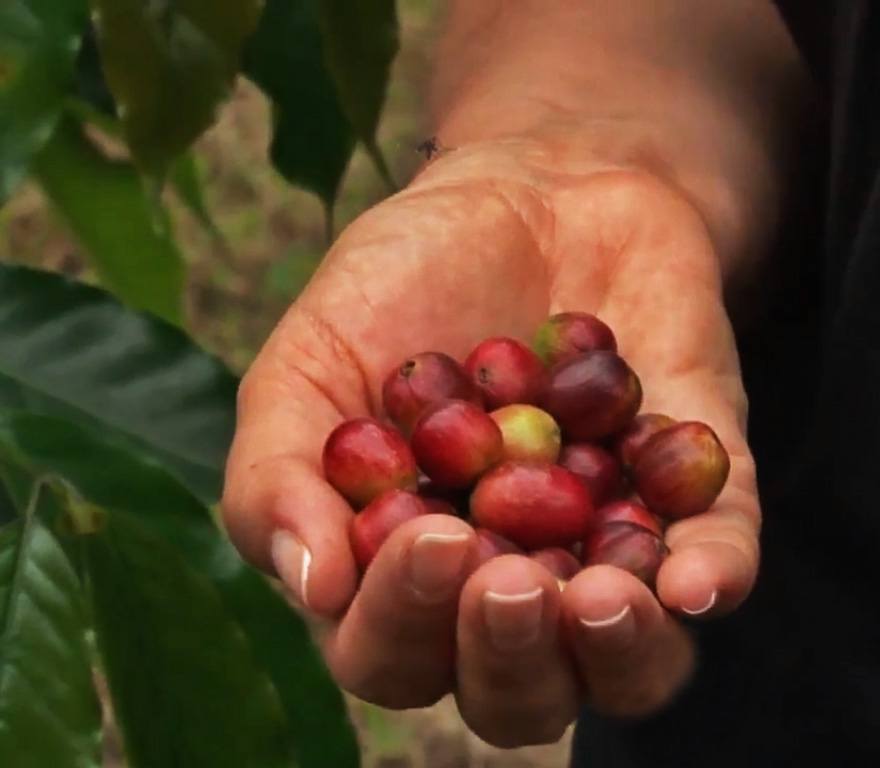
Kona coffee is a unique, slightly expensive coffee variety that is rich in history. It comes from a tropical home in the island of Hawaii. The island offers perfect growing conditions for the much-loved Hawaiian best kona Coffee.
Planning a trip to Hawaii? You can find them growing there. I recommend that in between enjoying the beaches and the culture, you seek out a special tour. On this tour, you get to see the Kona coffee plants growing naturally and become a true expert.
Where (and how) is Kona Coffee Grown?
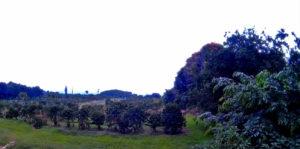
The Arabica variety is grown on the slopes of the north and south Kona districts in Hawaii. That's how it got its name, from the perfect growing climate of Kona. The coffee growing region is fairly small - measuring at only 50 square miles.
The region is mountainous and covered in rich volcanic soil. The soil is an awesome ground for coffee plants to flourish, and often influences the end taste. It provides an ideal blend of minerals and acidity. This ensures consistent quality and a rich, aromatic cup of coffee for the drinker.
While the ground affects the outcome of the coffee, the weather also plays a huge role. And no one can complain about the weather in Hawaii! In fact, the sunny mornings and slightly foggy afternoons create the perfect climate to grow the best Kona coffee.
When the Kona coffee beans are subjected to that magical combination of a good climate and soil, the benefits are huge. The temperatures in this area are mild, so growers don't have to worry about their plants freezing up. The hot sun in the mornings, followed by moist from the humid afternoons, give the plants exactly what they want.
Careful Picking and Processing of Kona Coffee
The best Kona coffee is so successful because of the unique processing methods it undergoes. Farmers in the region appreciate the need for consistent, tasty coffee, so use extra care to ensure this.
Kona is made up of around 600 small, independent coffee farms. Rather than growing the coffee beans on huge, commercial pieces of land, small family farms cultivate the plants. This is in-keeping with tradition, and farmers stick to hand-picking instead of using machines to do the work.
Farmers hand-pick the cherries when they are ripe, with very strict limits. Cherries ripen between August and January, so farmers pick all throughout this season. Only the ripest, most perfect coffee cherries make the cut.
Once the picking is complete, how does the coffee get processed?
Farmers pulp the cherry to remove the outer flesh and separate the beans from the pulp. This happens in the first 24 hours after picking and helps give the coffee its bright flavor. The beans are then washed and any unripe seeds are discarded.
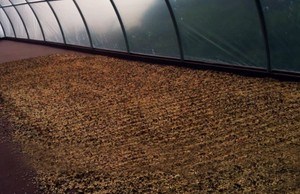
The farmers then ferment and sun-dry the coffee on large decks called "hoshidanas". The Hawaii Department of Agriculture is a regulator at this stage. To meet requirements, the beans must have an optimal moisture level of 10-13%. This can take 7-14 days.
Once the coffee beans are dried, they are milled and roasted. The entire process may be longer than that for some other types of coffee, but it results in premium, celebrated coffee.
History of Kona Coffee
The island of Kona has been producing high-quality coffee since the 1800's. The Kona coffee industry produces one of the most rare and fine coffees in the world. Because of its success, Kona coffee is prone to being ripped off. This can disrupt the peace in the small Hawaiian region.
Where did it all begin and how did everything develop along the way? Let's dive into the interesting history of Kona coffee!
Year | Event |
|---|---|
1778 | The Europeans arrived in Hawaii, led by English sea Captain, James Cook. Hawaii became an important part of world trade routes as a useful stopping place. Hawaiian communities were able to begin trading weapons, goods, and cattle with other parts of the world. |
1813 | A male from Spain brought coffee to Hawaii. He planted the coffee in Oahu, one of the largest islands in Hawaii. Later on in the century, coffee became a useful commodity to Hawaii, providing trade and money. At this point, coffee was mostly grown on large plantations. |
1828 | Coffee was introduced to Kona. An American missionary, Reverend Ruggles brought it with him from Oahu. He began to cultivate the plants in Kona. They became the most successful coffee plants across Hawaii. |
1845 | This was the year of the first major export of coffee from Hawaii. Business partners from France and Britain had opened up a large coffee plantation in the north of the Hawaiian islands. They exported 248 pounds of coffee. |
1849 | Many parts of Hawaii began to grow sugarcane instead of coffee. This didn't occur in the Kona region, which continued to grow coffee. |
1873 | During a World Fair in Vienna, a Kona trader was recognized for the coffee they grew. This was the starting point of Kona's excellent reputation for producing high-quality coffee. |
1875 | At this time, a political event occurred that would be a huge benefit to the Hawaiian economy. The new law allowed goods from Hawaii to be exported to the US without any duties or customs. This boosted sales of sugar cane, but most coffee farming in Kona became for local needs only. |
1890's | Kona received investments from Europe and America for its coffee. This movement affected coffee prices, which rose significantly. |
1998 | Hawaii officially became a part of the United States. There was an oversupply on the world market and coffee prices dropped once again. |
1899 | The world coffee market crashed, due to coffee diseases and pests. On top of this, Hawaii experienced a drought and a labor shortage. As a result, plantation owners were forced to lease out their farms and land to their workers. The workers began to use their small pieces of land to grow quality coffee crops. |
1994 | Once again, Kona was struck by a drought. This badly affected coffee growers and caused production to decline. During this time, most of the coffee from Kona was bought by large companies. They often blended the beans with lower quality coffee to increase their profit. At the same time, a demand for single-estate Kona coffee was developing. Kona coffee growers began to market this as 100% Kona coffee. Consumers were satisfied that their coffee wasn't being mixed with cheaper blends. |
Present Day | Hawaii is now the only commercial coffee producer in the States. The Kona region, also known as the Kona Coffee Country, comprises over 600 small, independent coffee farms. |
What Makes Kona Coffee Unique?
100% Kona coffee goes through strict testing processes. This extra care sets it apart from most other commercial blends and guarantees quality. Because of the careful and rigorous processing, the coffee is highly regarded across the globe.
It can be difficult to find 100% pure Kona coffee, making it rare and valuable. The cherries are hand-picked instead of picked by machinery. As a result, pickers can choose only the finest quality cherries.
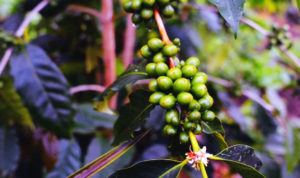
The most rare type of Kona coffee is called "Peaberry". This variety makes up just 4-5% of the total crop. Each Peaberry cherry contains just one bean, compared to the usual two beans.
Most other coffee growing regions in Hawaii use clay soil as the base. In contrast, the soil in Kona is rich, volcanic soil. This provides a very fertile growing point and allows the coffee plants to be naturally irrigated by rain in Kona.
The vital processing and grading system takes into account many factors. Processors look at the bean's shape and size, as well as its moisture content and any defects. There are five main grades that each bean can fall into:
- Extra Fancy
- Fancy
- Number 1
- Peaberry
- Prime
The Taste and Profile of the Best Kona Coffee
- Caramel or nutty taste
- Bright and clear flavor
- Rich aroma
- Medium acidity
- Mellow sweetness
- Full body
- Lingering aftertaste
Where to Buy Kona Coffee
Because of its great popularity, you can buy Kona coffee all over the world! Of course, you know that there are imitations out there. Check the bag and ensure your beans haven't been blended with a cheaper coffee.
If you can, buy the beans from an actual grower. This cuts out a lot of shipping and storing time, which can reduce the freshness. You can be sure of quality and be confident that no staleness has crept in during the journey.
Kona Coffee Tours
If you want to know all there is to know about Kona coffee, you can go on one of the Kona coffee tours. These tours take place on the tropical slopes of Kona, the home of the beautiful coffee.
Visit the farms that grow Kona coffee and watch the process from bean to cup. Luckily for you, you'll get to taste the coffee for free at the end of the tour. This is straight from the grower, so it's as fresh as can be.
Each farm might do the tour a little differently. In general, they last about 30 minutes and involve walking through the fields. You can go all year round, but during February and March, you'll get an extra treat. This is when coffee plants carry small, white flowers called "Kona Snow".
Kona Coffee Cultural Festival
It's true...Kona coffee is so good it has a festival in its honor! The festival celebrates the rich traditions that began in Kona way back in the 1800's. These traditions still affect how Kona grows coffee today.
The festival includes coffee tasting and workshops. There are cultural programs, art displays and chances to learn all about the history of Kona coffee. Not only that, there are competitions, auctions, and entertainment.
The fun takes place on The Big Island of Hawaii, Kona. It's a 10-day event to celebrate this world-famous cup of joe!
The Bottom Line
Always be sure that your bag of Kona coffee states that it is 100% pure! If not, you're probably getting a blend with a cheaper type of coffee. If you want that exotic, delicious and rare coffee, check the label!
Kona coffee has such a detailed history that leads to the coffee beans we roast today. Since the early days though, we can be sure of a high-quality drink. The perfect mix of soil, water and sun goes into each Kona coffee bean. What more could a coffee lover want?
