

We all want to live long, healthy lives, right? That's why so many people are turning towards organic products. Organic coffee is produced without artificial chemical substances. The best organic coffee is grown naturally. It doesn't come into contact with pesticides and herbicides.
If you want to be sure your cup is safer for you and the environment, it's time to go organic.
Quick Navigation
Differences in Organic and Inorganic Coffee
Over 12 billion pounds of coffee is produced all over the world each year. That's a lot of trade for our farmers to keep up with! Some farmers still go that extra mile to grow their best coffee beans organically.
You might be still wondering - why buy organic coffee? I've listed the main differences here, so you have all the facts to make your own decision.
Organic Coffee
- Organic coffee is grown with natural fertilizers. They don't impact the environment and the people around the farm.
- Coffee actually prefers to grow in the shade. Organic coffee is grown under natural forests, so wild animals and plants are not affected.
- Takes more time and effort to produce, which increases the cost to consumer.
- The best organic coffee has a slightly better taste. Its aroma and flavor haven't been impaired by chemicals.
Inorganic/Regular Coffee
- One of the most heavily chemically treated foods across the world. Inorganic coffee beans are grown with pesticides, herbicides, fertilizers and other chemicals.
- Conventional coffee plants are hybrids. They've been developed to be able to grow in sunlight. This allows it to be planted more densely.
- Production methods have been developed to meet the demands of the consumer. It's easier to produce a bulk amount, making it a cheaper option.
- The flavor could be a little "metallic" or inferior to the organic option.
Organic Coffee Types
Robusta
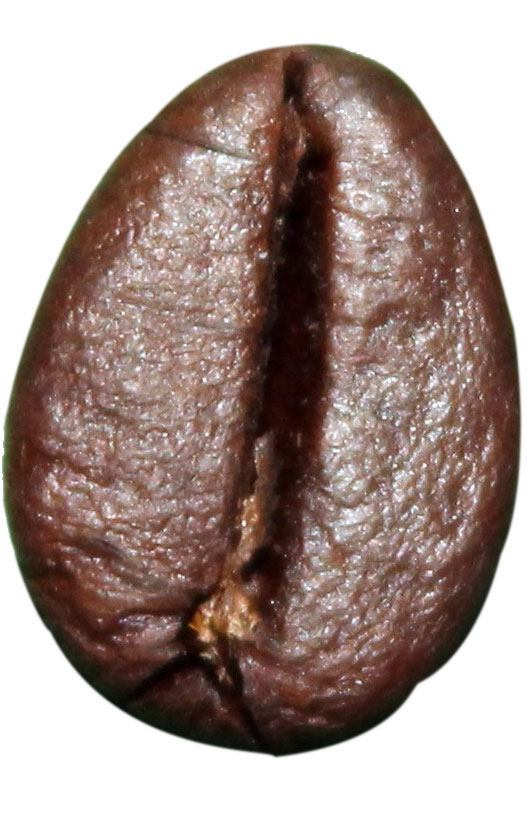
Robusta organic coffee has the higher caffeine content at 2.7%. It requires less treatment against pests and diseases due to its resilience. It didn't earn the name "Robusta" for nothing, you know! A large proportion of Robusta is grown in Vietnam. It is easier to produce a larger yield, making it the cheaper option.
Arabica

Arabica has a caffeine content of 1.7%. It's more sensitive to diseases but has a higher quality and better flavor. The smaller amount of caffeine also makes it less tolerant to bad climate conditions. Because production is more difficult, it can be more expensive to buy. Arabica is grown in Latina America on steep terrains.
You may read the article of Arabica vs Robusta coffee beans to learn more on the main differences of these two kinds.
How to Store the Best Organic Coffee
You should store your organic coffee just like your regular coffee. Follow these 3 simple steps and you won't go far wrong.
- For the best organic coffee, keep your beans in an airtight container. Keep oxygen away to avoid oxidation of the beans. This also keeps airborne viruses away from your tasty cup.
- Store in a cool, dry, dark place. Elements such as heat, moisture and light can react with coffee beans in a bad way. They affect the concentration of oils, leading to nasty flavors and aromas.
- Buy the right amount. If you buy more coffee than you need, it will sit for too long and go bad. Coffee quickly goes stale, so purchase it in small batches.
Physical Advantages of Organic Coffee

While you may have to dig a little deeper to pay for organic coffee, you contribute to fairer trade. Fair trade is a global movement. It aims to ensure farmers are paid properly for the work they do. It supports sustainable living conditions and supports small businesses financially.
Whether you buy organic or inorganic coffee, your cup will be swimming with healthy antioxidants. Coffee has the highest content of antioxidants when it's green. Most of these are lost throughout the roasting process. However, there are a number of other health benefits associated with the organic option.
Chemicals such as Dursban and Disulfoton are either banned or restricted in the US. Most coffee is grown in other countries, where they are permitted. These chemicals can be found in your drink. They can be toxic and are even linked to birth defects. Endosulfan, a common pesticide, is a known carcinogen. It can negatively affect the nervous system, kidneys, and liver.
Organic coffee doesn't use these chemicals, so you can be assured of the safety. On top of this, many of the top organic coffee brands add antioxidants. These are found from plant compounds like acai and goji berries.
Environmental Advantages of Organic Coffee
Can you imagine the impacts when coffee is seeped with so many chemicals? Not only does it affect the world we live in, but people can feel the effects. Farmers and local communities are exposed to the additives. Chemical residues remain in the air and water and can be toxic to human health.
This is where organic coffee steps in to save the day! The best organic coffee beans are grown chemical-free. This means the beans and land are cleaners. It also means your daily beverage is cleaner, too.
As an alternative, organic coffee is grown with natural fertilizers (like chicken manure). Organic farms emit less carbon into the atmosphere. This means that organic coffee beans are jam-packed with antioxidants.
Since organic coffee plants are grown in natural shade, there's no need to clear forest areas. Plants and animals in the wild don't have their home destroyed. They can also act as natural pest deterrents.
A Common Misconception on Organic Coffee
A common myth I've heard is that big organic companies are "less organic" than small farmers. This is not actually the case.
When a company grows, its methods have to become more efficient to keep up with demands. This doesn't mean the quality and ethics have to drop. Large scale producers can reduce costs, so more consumers are able to afford organic coffee. This has a positive overall effect on the environment and our health.
The Bottom Line
The two main advantages to buying organic coffee: It's better for your health and the environment.
For now, organic coffee accounts for just 3% of the coffee market. Though, I think we could see a rise in this number very soon. Consumers are becoming more health and environmentally-conscious so are starting to lean towards organic. There are even coffee shops that only serve organic coffee.
What's your opinion? Is it time to go organic?
