
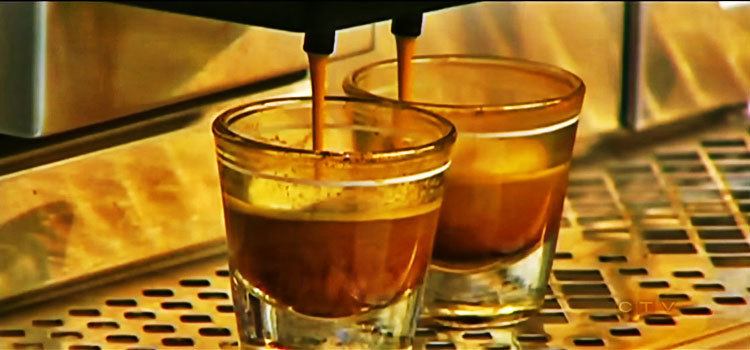
A good coffee is one that is fresh, aromatic and full of flavor. It will wake up your senses and give the boost you need for your day. Of course, there are some golden rules to follow in the brewing process. So, how do you make coffee properly? Do you follow the rules? Let's take a look.
Quick Navigation
How to brew coffee?
I love to experiment with coffee, enjoy digging out my favorite beans and grinding them to perfection at home! I adore fusing my coffee with different flavors; mint, caramel and vanilla are my top choices. One other thing I experiment with is the brewing process.
Did you know there are a few different ways to brew your coffee? To save you some valuable coffee-drinking time, I've discussed the processes below.
The Golden Rules
60% of coffee drinkers in the US say they need a cup of coffee to start their day! I want to discuss the different brewing processes available with and without a coffee maker. But first, let's take a look at the 6 factors you need to remember to create the best tasting coffee.
1. Coffee to Water Ratio
Getting the right balance will ensure your coffee isn't too weak or too potent. I recommend using scales to measure the coffee accurately, if perfection is what you want! Personal preference comes into play here, but the Standard Brewing Ratio Chart gives you a great guideline. For example, if you want to know how much coffee for 12 cups, the guide will tell you to use 4.5 ounces. This would go well with 9 cups of water.
2. Water
The type and temperature of water can affect the quality of your coffee. If your tap water tastes a little "funky", go for bottled water instead. You should also avoid soft water as coffee doesn't extract as well. Your water temperature should be between 195 and 205 degrees F. Any higher, you'll scorch your coffee and affect the taste. Any lower, your coffee will be under-extracted.
3. Beans
Select the best type of coffee for your personal cup. You should take into account the origin, variety and roast type of the bean. Your roast type will influence the flavor of your coffee, affecting its level of bitterness and concentration of caffeine.
4. Equipment
Ensure your equipment is always clean after each use. Any build-up of coffee can make cups taste rancid. Keep your grinders, filters and brewers fresh.
5. Freshness
Aim to brew coffee no more than 1-2 weeks after it's been roasted.
6. The Grind
Always grind your coffee beans close to the brew time. Once ground, the beans lose their flavors and aromas more quickly. Use a suitable grinder for your grind size and always get the grind size right! This depends on the flavor and brewing method you'll be going for.
How to make coffee with a coffee maker
Using a French Press
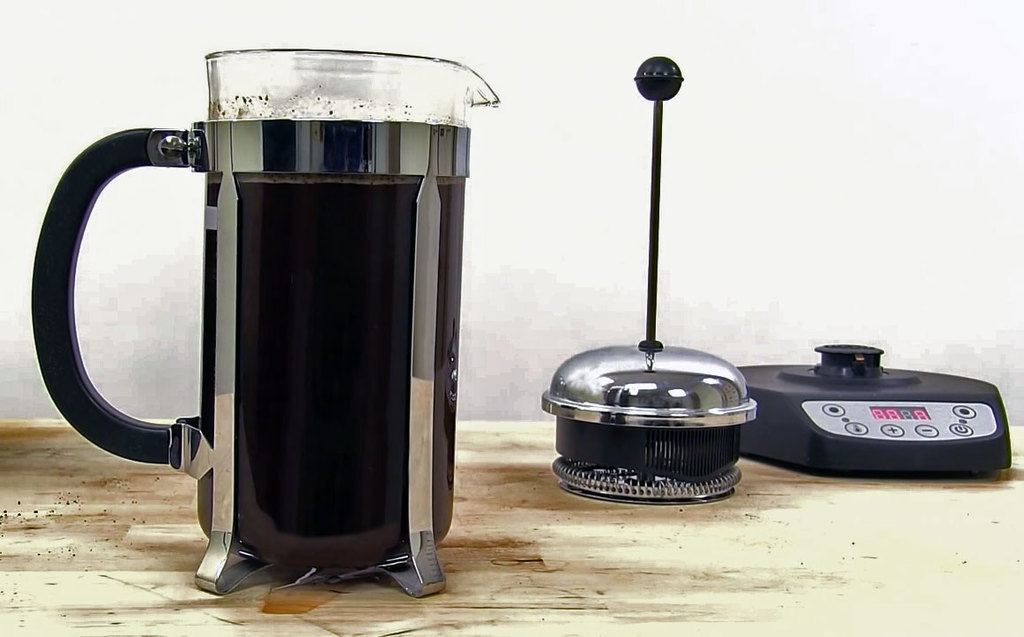
As the most popular coffee brewer, the French Press is also super easy to use. It was first patented back in 1929 and became the modern coffee brewer. The French Press is made up of a plunger that extracts the coffee. The method suits medium roast coffees and offers drinkers the subtle characteristics of the drink.
I recommend using a burr grinder to grind your beans before use. This is because a French Press relies on evenly-sized coffee particles, which need to be quite big. Smaller grains will seep through the filter and create a sediment in the cup.
French Press Method |
|---|
|
|
|
|
|
|
|
|
|
Pros of using french press
- It does a great job of drawing out oils from the beans. This enhances the flavor and aroma of your coffee.
- It's an inexpensive way to make high quality coffee.
Cons of using french press
- It has a relatively porous filter. This can allow sediments into the cup that are better left behind.
- The coffee can become bitter and oily. This is because the liquid sits on the grounds for a prolonged period of time.
The Pour Over
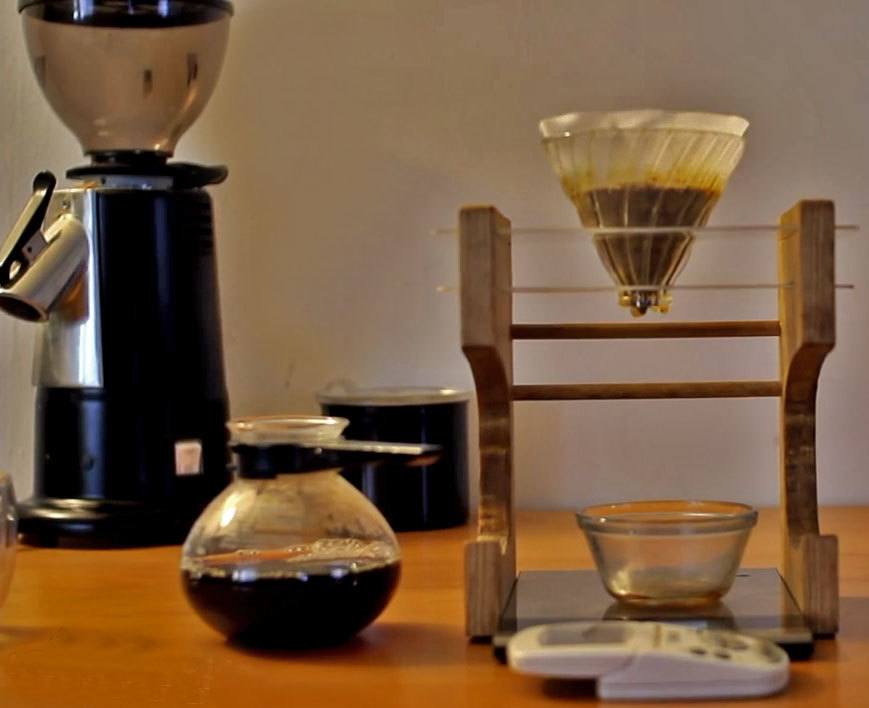
This process is also known as the Manual Drip Method. Pour Over coffee is simple to brew and produces a clean, flavorful cup of coffee. All you need is a grinder, a filter cone, filter paper, freshly roasted coffee, a kettle and some scales.
Pour Over Method |
|---|
|
|
|
|
|
|
The flow of the liquid is linked with the grind size and depth of the coffee bed. More coffee or finer coffee will flow more slowly. Trial and error could be important to get the process right! There are lots of different drippers to choose from. Choose the best one for you!
Pros of pour over method
- It doesn't require any special skills. Anyone can brew great-tasting coffee with this method.
- When pouring, you are constantly replenishing the water around the coffee grounds. This promotes a more efficient brew than some other methods.
Cons of pour over method
- The constant water replenishment can also be a negative feature. Fresh water can extract more from the surface layers of the grounds. This can cause you to overheat the outsides of the particles.
What is a Siphon Pot?
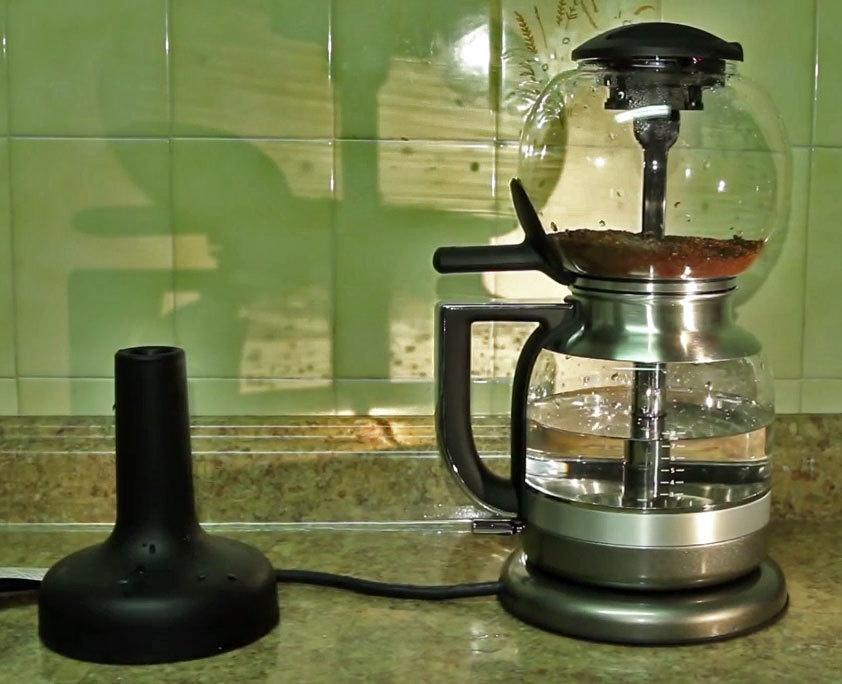
Alright, so you think you're an expert at brewing coffee? Then the siphon could be just up your street. It's one of the more elaborate coffee brewers on offer and requires a careful technique. The siphon brewer originated in Europe and is also called a vacuum pot brewer. Here's how it works.
It uses an immersion method and its beautiful design is complemented by its brewing ability. Siphon brewing combines proper immersion and filtration in a perfect balance. This allows a continually heated brew time and a speedy filtered extraction.
Vacuum Brewer Method |
|---|
|
|
|
|
|
Pros of siphon pot
- The siphon makes delicious coffee! Thanks to the full immersion brewing technique, the coffee's intense flavors are drawn out. This is especially true when using dry processed beans.
- The standard cloth filter yields a really clean cup - no wastage or dirty sediments!
- The immersion method offers even saturation and stable temperature.
Cons of siphon pot
- Siphon brewers can be more expensive and fragile than some other options.
- As you can see, the process is slightly more complicated and time-consuming.
What is the AeroPress Method?
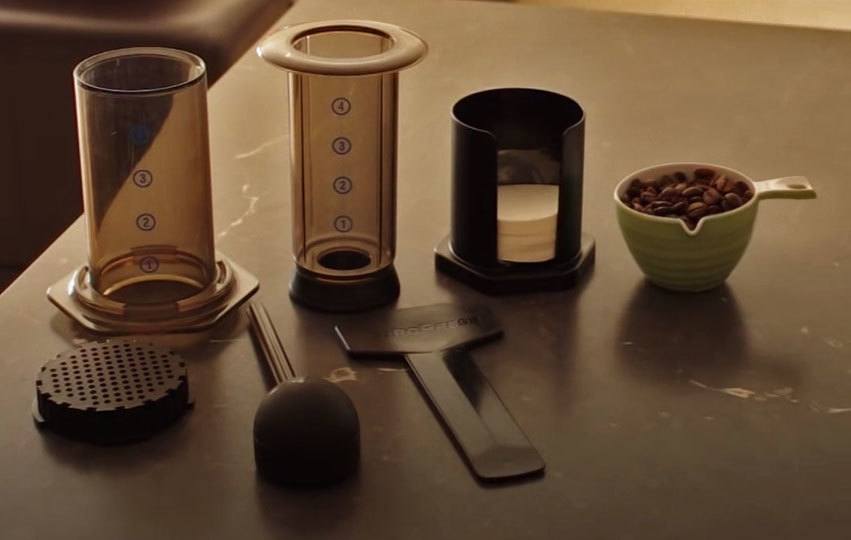
A relatively new brewing machine, the AeroPress was invented in 2005. How do you make coffee with this modern brewer? Read on and I'll tell you.
Like the French Press, an AeroPress uses a plunger device. It consists of two nesting cylinders that sit inside each other. The smaller cylinder has a flexible airtight seal and is pushed through, almost like a syringe.
The AeroPress is said to create coffee as strong as espresso, with low acidity. It extracts flavor by using air pressure, setting it apart from the French Press. You have the option of using a disposable paper filter or a reusable metal filter.
AeroPress Method |
|---|
|
|
|
|
|
Pros of AerPress Method
- Brewing is quick and easy, only taking around 30 seconds. The shorter brewing time leads to less acidic coffee.
- It's compact, portable and a good travel option.
Cons of AeroPress Method
- The container in the AeroPress is quite small. This means you can generally only make 1 cup of coffee at a time. Good if you're looking for a peaceful beverage for one. Not so good if you're catering for lots of people!
- During an experiment, 4 out of 5 of those on a panel described the drink as "watery".
Stove Top Espresso Machines
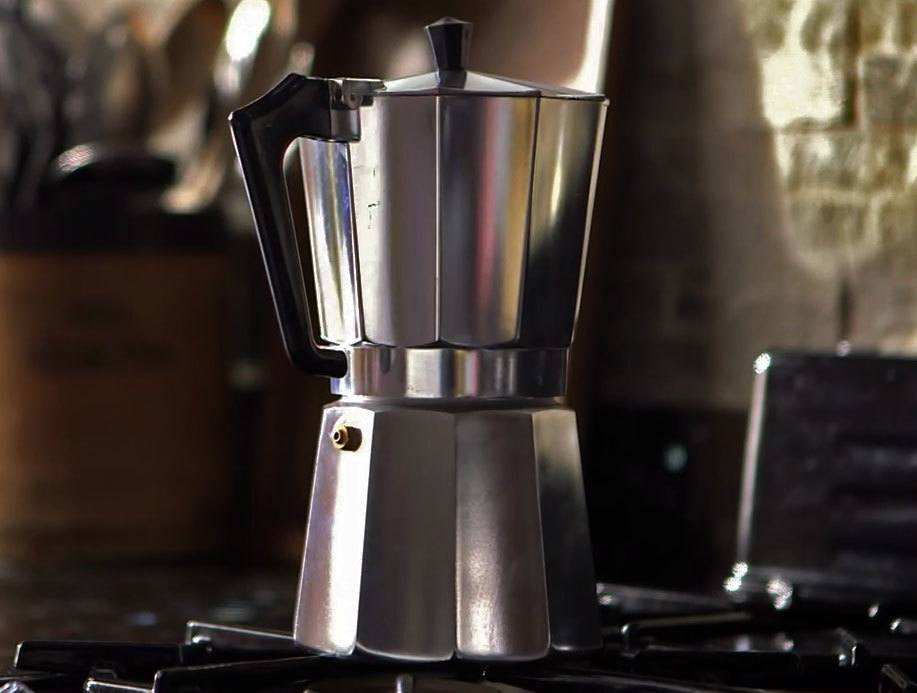
Maybe you're the type of person that enjoys a quick shot of coffee. Do you crave the high-caffeine content in an espresso? You want a drink that isn't diluted by water and milk?
You can brew your much-loved espresso with a stove top espresso machine. Substitute the expensive electric espresso machines for this more traditional option. This method uses steam pressure to brew a strong, rich coffee.
Stove Top Espresso Method |
|---|
|
|
|
|
Pros of Stove Top Espresso Machine
- A cheap and simple option that anyone can try. (It's actually known as "The Cowboy Method" - it's that easy!)
- You can take this brewer anywhere with you, as long as you have a heat source. Even if you're in the great outdoors with no electricity, you can have fresh coffee.
Cons of Stove Top Espresso Machine
- You might need some patience while waiting for the water to heat up.
- Under-extraction is a possibility. As long as you practice, you can get the best grind size and tamping technique to avoid this.
Commercial Coffee Makers
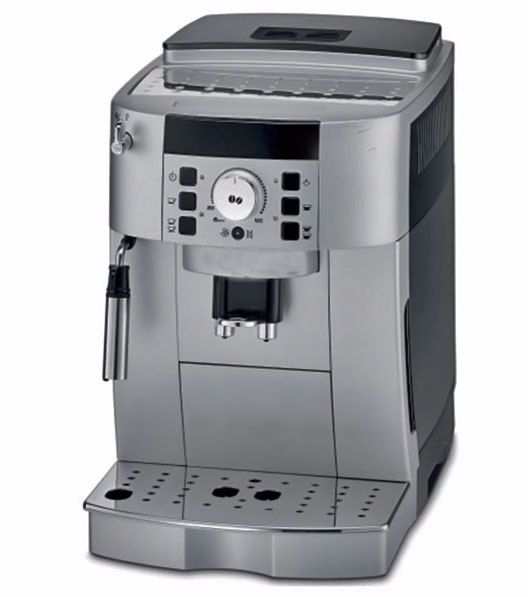
Picture the scene: You're in a hurry and need to grab a cup of coffee on-the-go. You have no time to brew your own cup at home. But look! - there's a shiny commercial coffee maker in the local cafe.
We're going to look at automatic machines, as these are the most commonly used brewers in the commercial market. The water pressure is controlled automatically and there are buttons to control water flow.
The machine consists of a boiler, a group head, and a portafilter.
Automatic Coffee Machine Method |
|---|
|
|
|
Pros of Commercial Coffee Machine
- The barista needs to set up the brewing process. Once this is done, they're free to serve more customers and the coffee basically makes itself.
- You can make multiple cups in one go so are able to accommodate lots of customers.
Cons of Commercial Coffee Machine
- Users need to be well-trained. It's important that they know how to keep the machine clean and how it works. If misused, lime scale and old coffee can build up. This can clog the filters and affect the taste.
How to Make Cold Brew Coffee
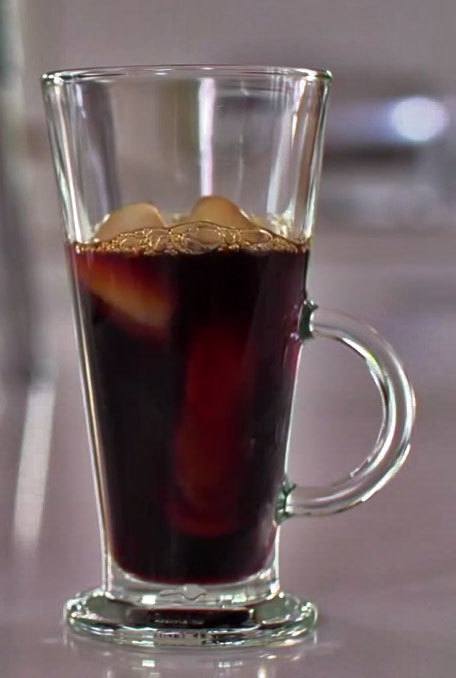
In 2015, just 15% of coffee drinkers gave the cold brew a go. While cold brew coffee isn't that popular (yet) it has a lot of benefits. Cold brew has a different chemical make-up with lower levels of acidity. This makes the cup smoother and more gentle on the stomach.
It's not like iced coffee. With cold brew, you're in charge of the concentration so don't end up with a drink that's too strong or too diluted.
Here, I've outlined how you can try it at home. It makes sense for us to start with the ingredients:
- Coarsely ground coffee. If the grind is too fine, you'll end up with a cloudy cup of coffee.
- A jar. You need a plastic or glass container to hold your coffee and water.
- Cold water. I recommend mixing about 1/3 cup of ground coffee for 1.5 cups of cold water.
- A Filter. Try a paper filter or a fine-mesh sieve.
Cold Brew Coffee Method |
|---|
|
|
|
|
|
|
How do you make Coffee without a Coffee Maker?
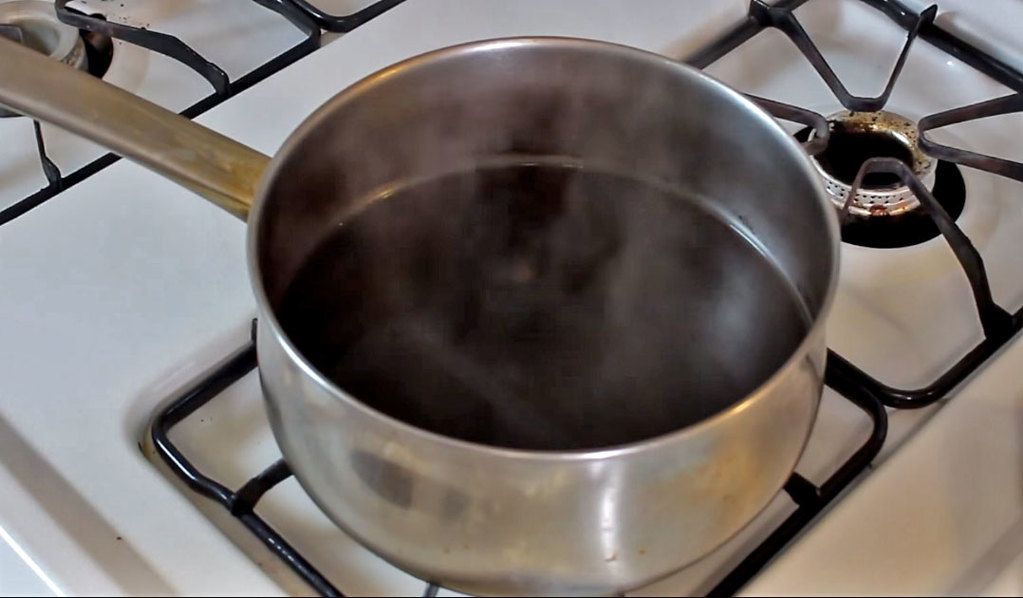
No coffee maker? No problem! Even if your coffee maker breaks down, or you're out camping in the middle of nowhere...There are ways to get that caffeine fix.
If you want to learn how to make coffee without a coffee maker, you've come to the right place.
It's actually not that hard to do. Here are the ingredients you'll need:
- Freshly roasted coffee. Try to use coffee beans that have been roasted within the last two weeks. About 80% of your coffee's taste is down to the aroma and coffee beans lose their aroma as time goes by.
- A grinder. You need to grind up the beans to release their aromas. Grinding increases the surface area and makes it easier to brew the coffee in hot water. Grab a pestle and mortar to grind your coffee, or simply roll it with a rolling pin!
- Hot water. Your water should be just below boiling point (around 195-205 degrees F.) This temperature is enough to draw out the flavors, without burning your coffee beans.
- A mug. An obvious ingredient, because you don't want to hold hot coffee in your hands!
- A filter (optional, but a bonus!). A filter will sieve out any thick blobs of coffee that haven't dissolved fully. You can buy a paper filter cheaply, and you'll enjoy a smoother coffee experience.
Method 1 |
|---|
|
|
|
|
|
|
Method 2 |
|---|
|
|
|
|
|
Reports show that coffee-drinking goes way back to the 10th century. Our ancestors got creative and brewed their coffee without any electricity. And now you can do that too!
The bottom line
How do you make coffee? Do you use any of the processes above, or is there another method you prefer?
Personally, I like to go with the classy-sounding French Press Method. I enjoy the smooth, easy plunge and the great tasting coffee it gives me! That said, I'm always open to the old-school stovetop method. Of course, I'd never turn down a tasty coffee from a well-trained barista!
