
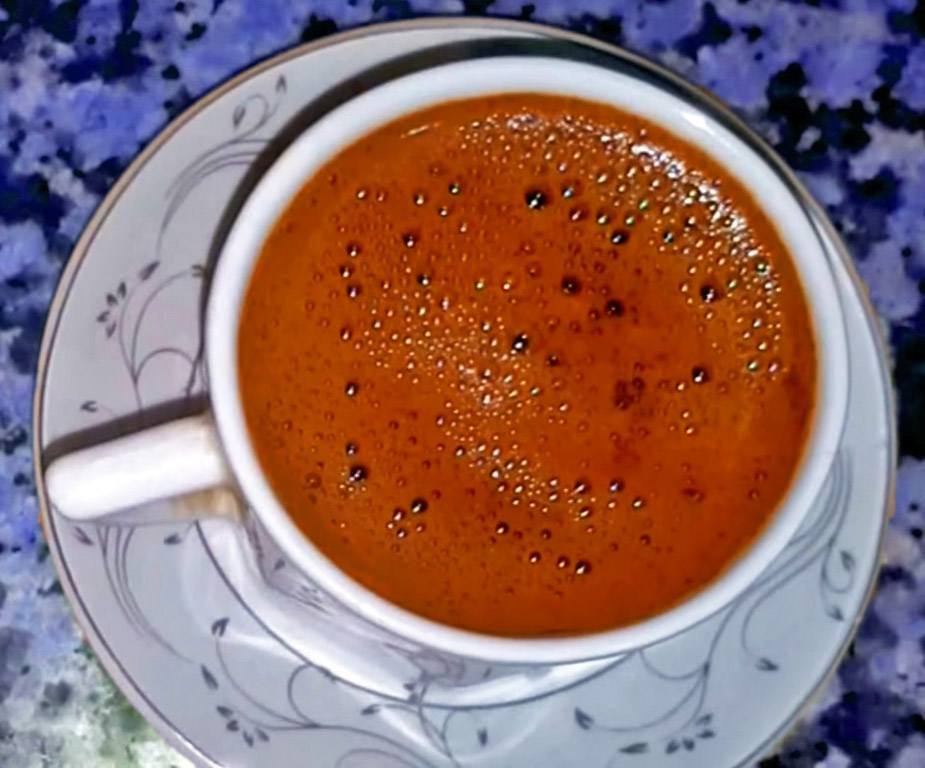
Turkish Coffee is a game-changer in the coffee world. It got its name from the way it is prepared, rather than from the type of coffee beans. It's a love or hate kind of drink, and there's no harm in trying something new, right?! I'll show you how to make Turkish Coffee using the traditional methods.
If Turkish coffee is in your roots and heritage, or you just want to give it a go, then great! Many coffee drinkers are put off by Turkish coffee unless they're familiar with it. That's because it's different to many other coffee varieties. When you're done, it leaves an off-putting lump of sludge at the bottom of your cup.
Who's ready to try it? Let’s catch a glimpse of the country before we get into Turkish coffee.
The Uniqueness of Turkey
Turkey has a lot to offer its visitors and natives. The Black Sea holds stunning waters and the tourist activities in Istanbul are unlimited. Turkey truly offers exotic and unique delights around every corner!
Speaking of delights ... the staple food from the country is the popular Turkish Delight. The chewy Turkish Delight is one of the oldest sweets in the world. If you know someone that's ever been to Turkey, you can guarantee they brought a box home! Other popular foods from Turkey include the Baklava and the kebab.
The culinary treats don't stop there. Let's delve into the unique taste of Turkey that can go into your coffee.

Where did it all Begin?
Turkish coffee goes way back to the start of the 1500's. It is actually the oldest coffee brewing method in the world. There are a number of different tales about the origins of Turkish coffee that are passed down generations. I have summarized two of the most popular below:
· Tale A: In 1517, the Ottoman Governor of Yemen discovered that you could create a drink from coffee beans. He introduced it to the Sultan who thoroughly approved.
· Tale B: In 1554, two men from Syria brought coffee beans to Turkey. They opened up coffee shops in Istanbul and the rest is history.
Depending on the storyteller, you may hear a different version completely! Either way, the people of ancient Turkey began to roast ground coffee beans in mortars. They would then boil the coffee powder with hot water in a coffee pot called a "cezve". They called this the "black drink".
Year | Event |
|---|---|
1554 | Popularity for this mysterious black drink blossomed and an industry was formed. Coffee shops opened up on the streets of Istanbul and people could make money from the drink. Sellers learned how to make Turkish coffee and could serve the old, original beverage to happy customers. Turkish coffee became a valuable and highly prized commodity. Authorities passed a law allowing women the right to divorce their husbands if they didn't provide daily coffee! That's how important the coffee was! |
1600's | International coffee trade began. Sellers traveled to Venice, England and other European countries to trade their beans. |
1656 | Coffee drinking became illegal! The authorities in Turkey thought that coffee was a threat to the Empire and the people were outraged. They wouldn't break the law though - as the punishments were beating and drowning! The new rule led to riots and so was eventually abolished. |
1683 | Soldiers fighting in the Battle of Austria needed their coffee to get through! They left behind some bags of Turkish coffee beans. The Austrians took the beans and created a new blend. |
Turkish Coffee Beans
The word ‘Turkish coffee’ isn't actually defined by a particular type of beans. It is defined by the unique preparation method. That means you don't need to specifically buy Turkish coffee beans to create the drink.
In any coffee preparation, it's important that the beans are fresh. However, this is extra important when making Turkish coffee. If the coffee beans aren't fresh enough, you won't get that foam you need during brewing.
The beans must be ground to a fine powder. You can use a burr grinder, but the traditional method involves pounding the beans with a mortar. Turkish coffee is unique because the wet grinds are left at the bottom of the glass. There's an unusual use for this sludge, and I'll talk about it later.
How to Make Turkish Coffee
When coffee first hit Turkey in 1554, brewers had to be creative with the methods. They would roast the beans over a fire, before brewing with water on the ashes of a charcoal fire. For our sake, I'm going to discuss how to make Turkish coffee in the modern age!
Grab a box of Turkish delight to accompany the hot drink, and away we go.

You will need:
- Turkish coffee pot
- Spoon
- Sugar
- Fresh, medium roast coffee beans
- Coffee grinder
- Water
- Pan and stovetop
- Thermometer (optional)
The Method |
|---|
Grind the coffee if necessary. Arabica beans are the best option and you want to grind the beans to a fine powder. You can purchase Turkish grinders specially, and some grinders have a "Turkish coffee" setting. Otherwise, purchase coffee beans that are already finely ground. |
Heat up your cold water. Measure out as much water as you need, depending on how many cups you want to make. Heat the water on the stove on a medium-high heat. |
Add the coffee. Add 1-2 tsp of coffee for every 3 oz of water. Resist stirring the mixture! Instead, allow the coffee to float on the water surface. Add sugar to suit your taste buds. Keep on a gentle heat to allow the flavors time to extract. |
Time to stir. Once the coffee begins to sink and the sugar dissolves, you can stir. Stir a few times and lower the heat. Your brew will start to foam. Help it along by moving your spoon quite vigorously in the water. |
Watch the bubbles. At this point, a bubble ring will form on the surface. You should probably lower the heat level for the moment. The bubbles should be small. Keep an eye on the coffee and don't let it boil. If you have a thermometer, it should read about 185 degrees F. If done properly, you'll notice a thick froth. |
Continue the foam. The coffee should stay at the foaming stage without beginning to boil. The frothier the better, so give it a stir to boost the foam. If the brew gets too hot, just lower the flame. Repeat the process once or twice to raise the foam. |
Distribute the goodness. Pour the liquid into cups (or glasses). Ensure each cup has the same amount of foam, so use a spoon if you need to. |
Before drinking!...
Before you jump right in and take a sip, there are a few more rules to follow! Wait for around half a minute to allow the coffee grinds to settle at the bottom of the glass. Always precede your Turkish coffee with a glass of water to cleanse the pallet.
Most hosts also treat their guests to a sweet side of Turkish delight. That way, you can really appreciate the results from this Turkish coffee recipe.
Turkish Coffee Spices
The brewing technology for Turkish coffee has always been quite basic. Brewers rarely use a thermometer, relying on their eyes to tell when it's ready. To make up for the inconsistencies, they introduced Turkish coffee spices.
The signature Turkish coffee spice is Cardamom. Though some people prefer nutmeg, cinnamon, anise or anything else. Others like to mix a combination of these spices. We add the spice just after mixing coffee and water.

Cardamom has a flavor that combines pepper and citrus. As well as giving Turkish coffee this unique taste, it has a number of health benefits. Cardamom can treat things like depression, mouth ulcers, and digestive issues!
Just before a Turkish woman is about to marry her husband, she might play an age-old trick on him. The tradition goes that a woman will prepare a coffee for her husband and add some nasty surprises! This could be salt, detergent or anything else. If the husband-to-be drinks it without complaint, this is a sign of a long and happy marriage!
Turkish Coffee Health Benefits
If you're still not convinced that learning how to make Turkish coffee is worth the effort, let me persuade you more. You might want to try the "sludgy leftovers" drink if you knew about the Turkish coffee benefits.
- Turkish coffee doesn't contain any fat. The only things in your glass you should be wary about is the sugar. Just go easy on this if you're trying to be healthy! I should add that it also doesn't offer any fiber or protein, so should be enjoyed in a varied diet.
- Coffee is full of antioxidants. It can lower your blood pressure, risk of cancer and risk of type 2 diabetes.
- Caffeine is good for your mental health. Caffeine can improve your memory and increase cognitive functions. That's why it keeps us going on a long day!
- Turkish coffee spices are an added benefit. Cardamom can aid with digestion and help the body eliminate waste. It can also help you with nausea, constipation, heartburn and lots more symptoms. Not only that, cardamom is praised with helping depression, and protecting against cancer and the flu.
- Turkish coffee has no need for frothy milk or sugary syrups. Unlike mochas and cappuccinos, you eliminate these unhealthy fat sources.
What Does Turkish Coffee Taste Like?
Locals from Turkey have an ongoing joke in which they test the coffee. They say that you should throw in a horseshoe as the final step. If the horseshoe floats, that's how you know it's good coffee! Horseshoe or not, what can you expect when you drink the best Turkish coffee?
Turkish coffee might taste unusual on an unfamiliar palate, mostly because of its unique preparation. These processes are what gives it its taste.
Intense flavor.
When we grind the beans, we really go to town! We grind them to a tiny, fine powder to produce a dark and sludgy cup. A really fine grind has more chance to over-extract and can cause a bitter flavor. If you don't steep the grinds for too long, you achieve the famous extra body.
Strong and exotic.
The flavor of Cardamom and other spices influence the overall taste. Spices can add peppery or woody flavors to the coffee. It has a stronger taste than espresso, so is not for the amateur coffee drinker.
Sweet.
Turkish coffee is a sweet treat rather than something you can drink all day. The added sugar and unique brewing method give it this flavor. It's usually served in a tulip-shaped glass and can even look like liquid sweeties!
Can Turkish Coffee Tell your Fortune?

Are you superstitious? Apparently, the older people of Turkey were a superstitious bunch and they created an ongoing ritual. This ritual is still honored today and can make up a fun part of a dinner party.
Basically, the leftover coffee grounds do have an important use: they can tell your fortune! Fortune tellers use the patterns on these grounds to predict the drinker's future. They first turn the cup upside down so they can read the coffee grounds.
The tradition is centuries old and is just one other stamp that makes Turkish coffee so unique. Whether you want to know about your past or your future, these shapes tell it all! The fortune telling is usually an activity enjoyed casually between friends. However, there are paid fortune tellers you can hire to do it for you.
The Bottom Line
Turkish coffee has an ancient history that is unmatched by many other coffee varieties. It's the oldest brewing method and has been subject to many strange laws over the years. Its colorful history has a lot to do with the unusual cup we drink today.
Many drinkers enjoy their coffee with a side of Turkish delight. Other, mischievous drinkers, use it to play tricks on their fiancé! However you take it, Turkish coffee is a coffee that should be respected. Give it a go and tell us what your fortune has in store for you!
