

For some people, drinking coffee isn't always a field of roses! Sure, the initial taste is delicious and satisfying. The caffeine hit makes you feel perky and ready to battle the day. But what's that sensation you're feeling afterward? That could be heartburn or acid reflux. And it's nasty.
If you suffer from these symptoms, there's an answer to your problems! It's called low acid coffee and it's now widely available. Let's do some digging into the science behind this magical solution and find out how it can help you.
Now nothing can get in the way of your romance with coffee!
What Causes the Symptoms?
Some people are unfortunate enough to experience some uncomfortable symptoms after eating certain food and drinks. Acid reflux, heartburn and gastroesophageal reflux disease (GERD) could be things that affect you.
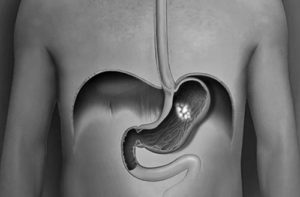
GERD and acid reflux are caused when stomach acid makes it way from the stomach to the oesophagus. It's likely that this is from certain lifestyle choices and foods that promote acidity in the stomach. You can make dietary changes to reduce symptoms.
Eating a lot of sugar and unhealthy food is usually bad for acid reflux. The stomach needs to produce more acid to break down the food, causing pain and discomfort. If you're noticing the symptoms multiple times a week, see a doctor.
Cutting out fatty and spicy foods, as well as chocolate and alcohol might help to alleviate issues. We can now buy coffee beans with lower acid, so no need to swipe coffee from the diet!
Why Should you Drink Low Acid Coffee?
- Though acid has its benefits, it can have negative effects on the body. If you enjoy a daily coffee (or 10) you might notice the repercussions. The acid can cause a burning sensation or acid reflux. 40 million people around the world avoid drinking coffee because of this irritation, but they don't need to. You can buy beans that won't have this effect.
- We know that coffee is good for you, so you don't have to cut down! Coffee helps your cognitive and memory functions and generally perks you up each day. It's a natural painkiller and contains antioxidants. It can even lower your risk of heart disease and cancer. So don't eliminate it from your diet! Switch to lower acidity coffee and continue to enjoy the benefits.
- Lower acidity beans are good for the digestive system. Dark-roasted and treated coffees have twice the amount of NMP. NMP is a stomach-friendly compound that doesn't encourage acid production.
- Acid can affect your smile in the long-run. Acids in all foods, even fruit, can wear away the enamel on your teeth. It can cause abrasions that make it easier for food to stain your pearly whites.
- You can buy low acid instant coffee for a quick brew. There's no need to spend ages with the brewing process. Try instant coffee and see if you notice less irritation after your drink.
The Science Behind Low Acid Coffee
Acid has a job to play...
Acids occur naturally in lots of food and drink, and it isn't the devil it can be made out to be! It's a good thing in coffee, and it's there for a reason. The acid in coffee is that sharp spark that lifts the complexity of a coffee, removing any dull taste that could be in there. The organic acids in coffee beans have antioxidant properties that our bodies love.
Just like in wines, coffee is made up of diverse flavor profiles. The flavors come from the origin of the beans, the roasting and processing, and the level of acidity.
Though, there are other ways to look after your body. If the acid in coffee doesn't agree with your stomach, then don't force yourself to ingest it. Here's how scientists make low acid coffee beans without impacting the flavor of your cup.
So how do we reduce that acid?
A small portion of companies has realized the market's need for low acid varieties. Although it's a small niche, consumers have responded well and have shown a need for low acidity in coffee. These companies will often create the low acid coffee by buying the beans from certain countries. Countries like Brazil, Mexico, and Indonesia (in Sumatra) naturally produce lower acid coffee beans.
They will then process them a little differently to regular coffee beans. Before we discover how the method goes, we need to know exactly what scientists mean by the word "acid". Acidity to a coffee lover describes the sparkling sensation that gives a high-quality coffee its brightness and taste. Acidity to a scientist is all about pH.
Without going too technical, I want to give you an outline of pH. A substance of neutral acidity has a pH of 7 and is something like pure water. Anything below pH7 is more acidic (think soda, citrus fruits, and stomach acid.) Anything above pH7 is on the alkaline scale (like soapy water, baking soda, and seawater.)
There are ways to boost the pH and minimize acidity. Some companies may interrupt the roasting period, or remove the waxy outer layer of the green beans before roasting. Both of these simple techniques reduce acidity of the beans. Other methods include dark-roasting the beans or adding antacid compounds to them.
Where to Buy Organic Low Acid Coffee
If you want to pick up the best low acid coffee, I recommend doing an online search. A simple click of a button will bring up a range of tried-and-tested coffee with reduced acidity. Other people do the research for you. All you need to do is order a packet of your favorite and give your sensitive stomach the break it needs.
If you prefer to drink organic coffee, you'll be glad to know that organic low acid coffee is widely available. Choose Sumatra coffee for the best of both worlds. The altitude, location and roast level all contribute to a lower acidity. Not only that, but much of the coffee grown there is certified organic and Fair Trade.
Naturally Lower Acid Coffees
Many people believe that there are ways to reduce your acid intake in coffee naturally. If these natural options still give you a slight burning sensation, you should consider buying low acid coffee instead. What are the other ways to ingest less acid?
- Choose darker roasts. These beans are brewed for longer and have more of the acid "burned off". French or Italian roasts are a good, tasty option that may be friendlier on your belly.
- Beans from particular countries are naturally lower in acidity. Purchase beans that originate in Mexico, Brazil or Sumatra and see if you notice a difference. Altitude, sunlight and time of harvest can all contribute to the amount of acidity in a coffee bean.
- Beans grown at a lower altitude are naturally lower in acid.
- You can try cold-brewing your coffee beans. Cold-brewing extracts less acid from the beans. You can actually buy cold-brew systems and enjoy a less irritating coffee. It still makes a rich and delicious drink.
- If hot-brewing is for you, go with the French press or Chemex brewing method. If done properly, they can extract less acids. Hot brew methods will still produce more acidic coffee than cold-brewing.
- Robusta beans have a stronger taste and a higher acid content. Instead, do your stomach a favor and choose the slightly more expensive Arabica varieties.

- Beans that are higher in caffeine tend to be lower in acidity, and vice-versa. Both acid and caffeine are present to combat insects that want to get at coffee plants. If a plant has low caffeine levels, the acidity will usually be higher to protect against pests. However, it's possible to buy low acid decaf coffee if you're trying to cut down caffeine too.
The Bottom Line
If you're conscious about the amount of acid you're taking in, it doesn't mean you have to compromise on your favorite drink! If you're one of the people that suffer from issues like heartburn or acid reflux, switch to low acid coffee beans. You can even try to reduce your acid intake naturally and see if that helps!
We love coffee for its taste and its benefits, so there's no need to give it up. Scientists are able to create coffee beans that won't affect your digestive system, that still tastes great!
