
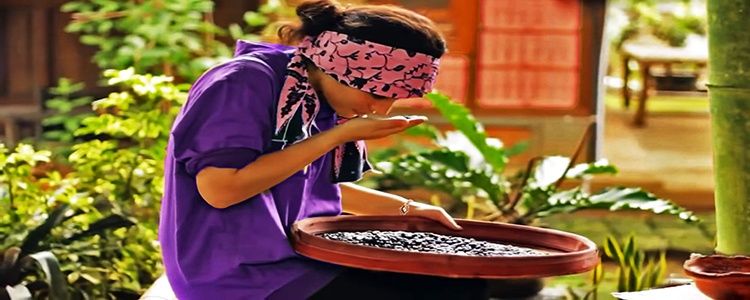
Computer whizzes will recognize the word "Java" as describing a type of computer programming language. Coffee connoisseurs will think of something different. Java Coffee got its name from its origins and history. Unlike many names of coffee, its title doesn't describe the way it's made or the variation of coffee.
You are indeed eager to know what is Java Coffee and where did it come from?
The Origin of Java Coffee
Geography of Java Coffee
When you order a cup of java coffee, you're really describing the place it came from. Java is an island in Indonesia, where your coffee originates from.
The coffee grown in Java comes from large estates at the Eastern end of Java. The largest coffee estates are Blawan, Pancoer, and Kayumas. These estates were originally built by the Dutch, who first introduced coffee to Southeast Asia by bringing over coffee trees.

The highest quality coffee that is grown in Java produces Arabica coffee. Many of these good coffee beans are blended with coffees from Mocha in Yemen. The collaboration produces Mocha-Java blends, which have a great, well-balanced and chocolate flavor.
Mocha-Java is actually the oldest known blend and is still one of the most popular choices after all these years!
History of Java Coffee
When the Dutch brought coffee to Southeast Asia in the 1600's, they began planting trees in Java. Originally, the term "java" may have been used to refer to single-origin coffee. The trees produced good, high-quality coffee that eventually became a worldwide beverage. From beginning in Java in 1696, this coffee was then exported all over the globe.
During the 1880's, the island went through some problems. It was enjoying successes as being the world leader in coffee production, but it was hit by a rust plague. The rust spread throughout the Central and East areas of Java and many plantation stocks were lost.
As a result of the plague, the Dutch had to swap most of the Arabica plants for Robusta plants. Although Arabica is of a higher quality, Robusta coffee is known for its resilience against disease. As the inferior option, Robusta doesn't offer the delicate flavors and aromas of Arabica.
Now, most of the Java coffee imported into the United States and Canada is still Arabica but has to be sold at a higher price. Approximately 90% of the coffee crop in Java is now Robusta. The other 10% accounts for some of the world's finest gourmet coffees.
Java Coffee Fact-file
If you're here for a quick rundown of the facts on java, here's the perfect guide for you! What else do you need to know?
- Origin: Java in Indonesia
- Birthday: Late 1600's
- Growing altitude: 750-1550 meters above sea level
- Harvest period: May-September (roughly)
- Aroma: Nutty
- Flavor: Chocolate, rustic, sweet
- Acidity: Bright, less acidic than some other Indonesian coffees
- Body: Heavy
Acidity - Although the term "acidity" may conjure up harsh, sour flavors in your mind, it actually refers to something different in coffee. It is a highly desirable characteristic of coffee's complex flavor. The acids in a coffee describe its balance and liveliness.
Body - The body of a coffee describes the luscious quality that a good coffee can provide. It can have an almost syrupy flavor and it creates a fullness and texture on the tongue.
Why is Coffee Called Java?
You may have heard someone use the phrase "a cup of Java" and wondered what on earth they're talking about. Why is coffee called Java?

The term was originally just used to describe coffee that has come from the island of Java. Over the years, it has developed into a more generic term that is synonymous with coffee. It is something of a slang word and is just like asking for "a cup of Joe".
Just like when we order a glass of Champagne, we refer to the French region it describes.
How is Java Coffee Produced?
When harvesting is complete, the coffee fruit (cherry) is fermented and washed using the wet-process.
Wet-processing shows a dramatic difference in the coffee beans, as it takes the unroasted, green beans and cleans them of dust particles and other fruit. The method uses specific equipment and lots of water!
The remainder of the pulp is also removed here, by breaking down the cellulose. It is this method that makes the coffee nice and clean when you purchase it.
The washed beans are then finished off by sun-drying. The entire process results in coffee that has a heavy body and a sweet overall impression. The beans are smooth and supple, with a lasting finish.
Monsooning Java Coffee Beans

Some coffee beans from Java are monsooned, a process that ages the beans. During the process, the unroasted green coffee beans are exposed to moist, warm air. This occurs during the rainy season for optimal results.
The beans are aged in large burlap sacks which are regularly aired and dusted. The aging process can last for up to five years, but what difference does it make to the beans?
The beans will turn a light brown in color and will provide an intense, woody flavor with almost no acidity. The process strengthens the coffee's body and taste and also increase the sweetness. Consumers can purchase the moonsooned beans under the names "Old Java Coffee" or "Old Brown Java Coffee".
The mellow coffee is similar to the flavor of coffee that was enjoyed in Europe in the 1600's and 1700's.
The Bottom Line
The phrase "a cup of Java" may now just refer to your regular, everyday cup of coffee. It's interesting to know its history and its origins, so you can see why the term was first coined.
In 2014, Indonesia was the fourth largest producer of coffee in the world. This is a sign that over the many years of production, the country is still producing fine quality coffee. The island of Java plays a huge part in this success, producing the world's oldest blend (Mocha-Java) as well as multiple popular monsooned coffee options.
